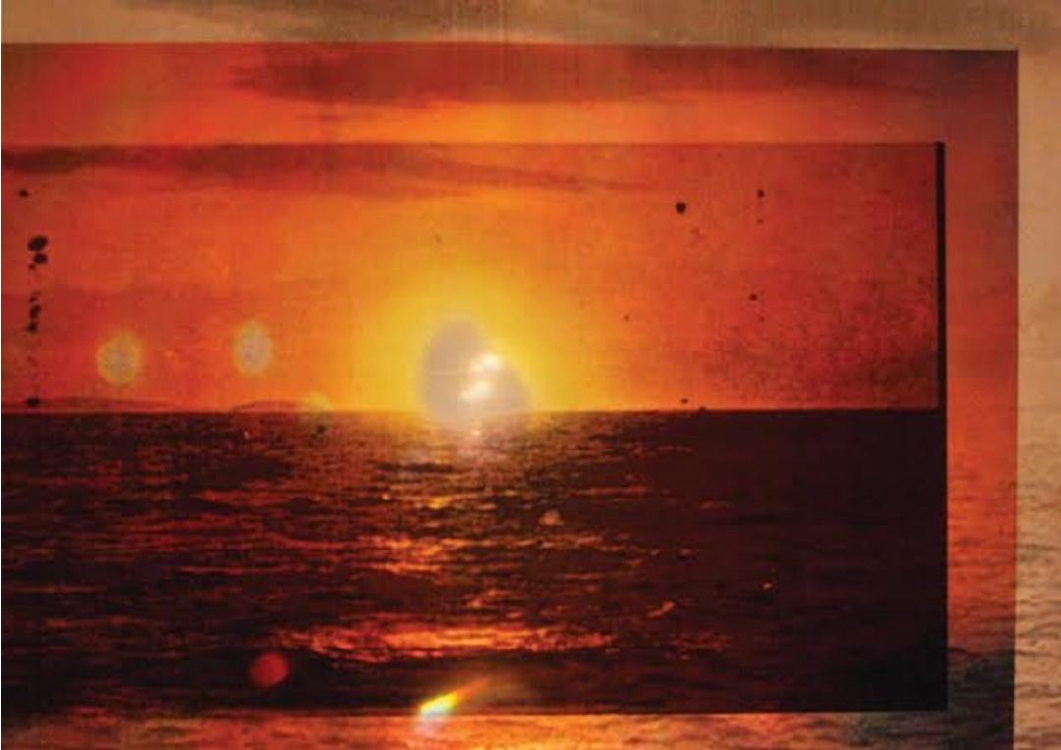
The sky has long been read, and the climate crisis has renewed the need to read it. Today, changes in the atmosphere cannot be grasped simply by looking up at the sky; we encounter them through processes of observation, recording, classification, and interpretation. Yet the processes through which such readings are produced often recede behind their results. This study addresses this problem through the concept of environmental legibility, which refers to the process by which atmospheric change becomes perceptible and readable. Drawing on Derrida’s grammatology and on Ingold’s and Böhme’s accounts of atmospheric perception, the study distinguishes two dimensions of inscription. Material-atmospheric inscription refers to physical changes that register as perceptible or measurable differences. Discursive-technical inscription refers to the human and technical practices through which such differences are recorded, classified, and calculated. The legibility of the sky emerges through the interplay of these two dimensions. This interplay is examined through Susan Schuppli’s Can the Sun Lie? (2014) and Trevor Paglen’s CLOUD series (2019). Schuppli foregrounds how atmospheric difference becomes evidence, while Paglen makes visible how visual differences are selected as algorithmic features. Together, the two works show how the sky becomes legible and how the conditions of its reading recede behind the result.
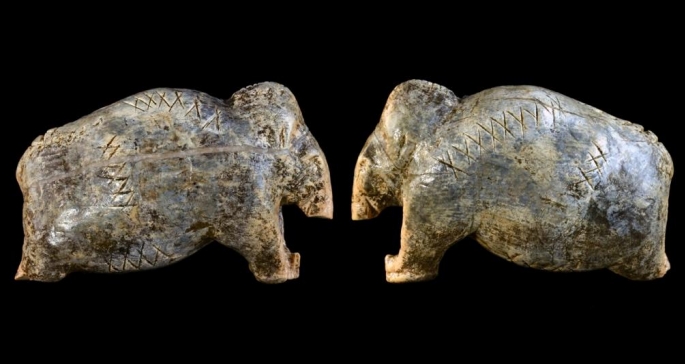
This study proposes an anthroposemiotic theory of prehistoric writing, moving beyond the traditional view that script emerged purely from administrative needs in early Mesopotamian civilizations. Instead, it intends to demonstrate that writing’s deepest roots may lie within the graphic and ritual practices of the Upper Palaeolithic. Approaching early humanity as Homo symbolicus, this study explores how cave art, geometric signs, and monumental architecture may have functioned as exosomatic memory and sacred mediation. Drawing on archi-écriture and spatial syntax, the research shows that prehistoric marks organized spatial relations and structured symbolic ecosystems long before their formalization into phonetic scripts. Ultimately, writing’s genesis can be situated within a broader cognitive evolution, where symbolic exteriorization transformed natural surfaces into durable spaces of meaning.
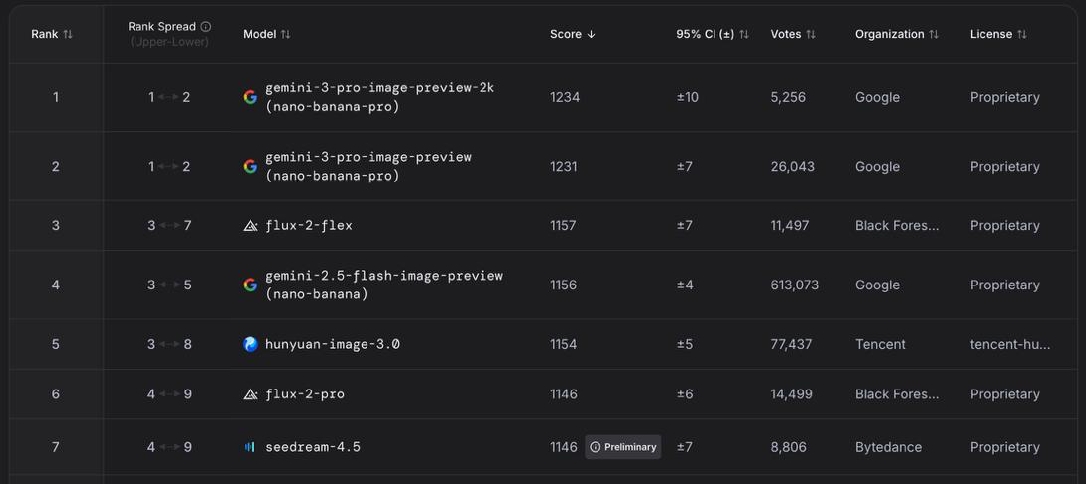
Generative AI confronts semiotics with a new kind of sign-producing machine that actively reshapes the production and interpretation of visual content. Addressing the lack of humanities-based transdisciplinary research on this transformation, this study aims to establish a methodological foundation for the semiotic analysis of multimodal AI. By combining visual, social, quantitative, and multimodal semiotics, the paper proposes an integrated micro–meso–macro framework for evaluating AI-generated images. The analysis moves from the micro-level examination of plastic features and text-to-image translation, through the meso-level of enunciation, narrativity, and causality, to the macro-level of social stereotypes, ideology, creativity, rhetoric, truth, and inference. This is supported by a case study on lonely death and a semiotic explanation of latent space.


 First
First Prev
Prev